
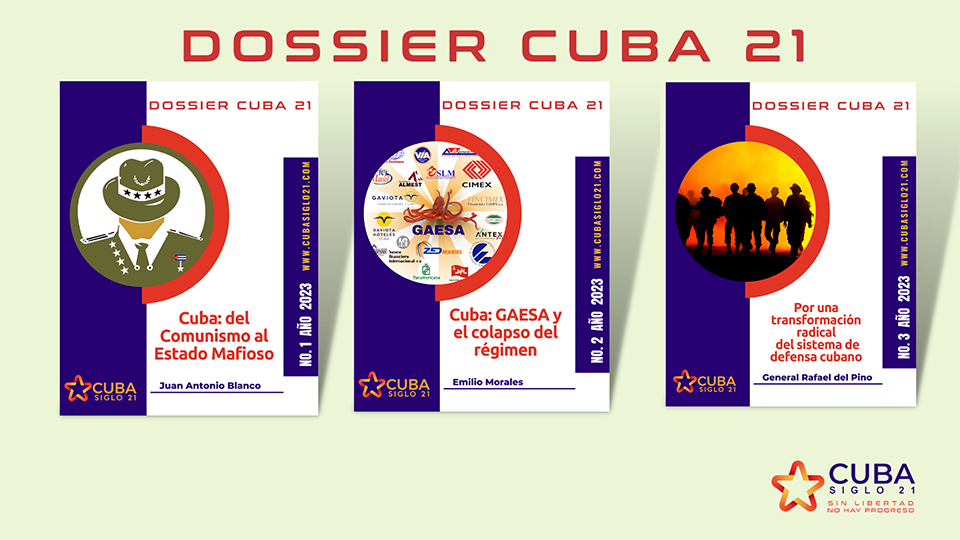
La colección Dossier Cuba 21 constituyen publicaciones monotemáticas que han sido escritas a solicitud expresa de Cuba Siglo 21 por especialistas en los múltiples campos y factores que inciden en la evolución actual de la realidad cubana.
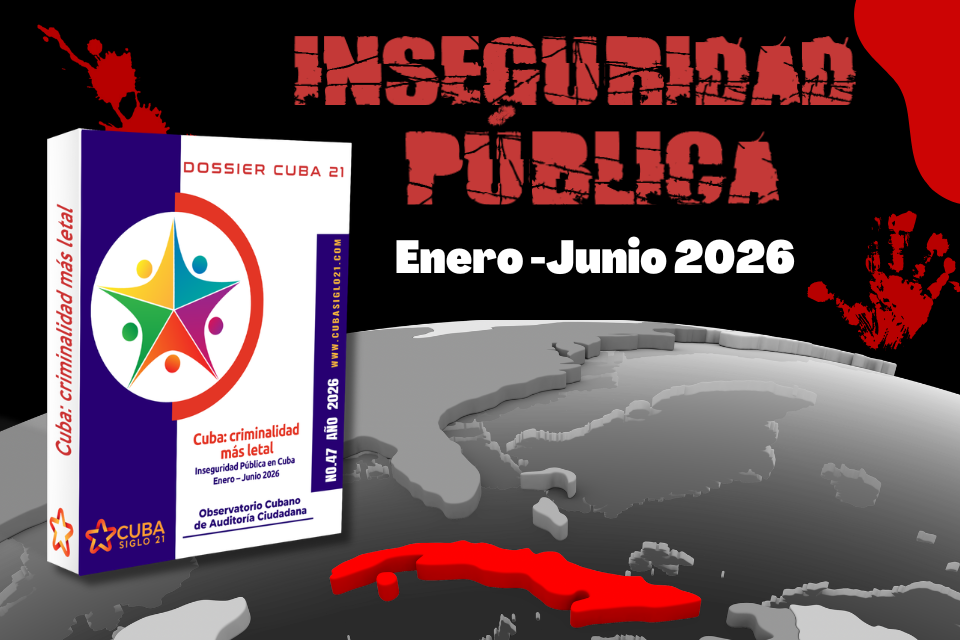
Cuba: criminalidad más letal. Informe de Inseguridad Pública Enero-Junio 2026
En 2026 aparece un fenómeno diferente: hay menos delitos recopilados en las difíciles circunstancias actuales, pero los que se documentan son considerablemente más letales. El indicador más alarmante es el comportamiento de los asesinatos. Durante los primeros seis meses de 2025 se documentaron 63 asesinatos. En igual período de 2026 fueron 90, un incremento del 42,9 %.
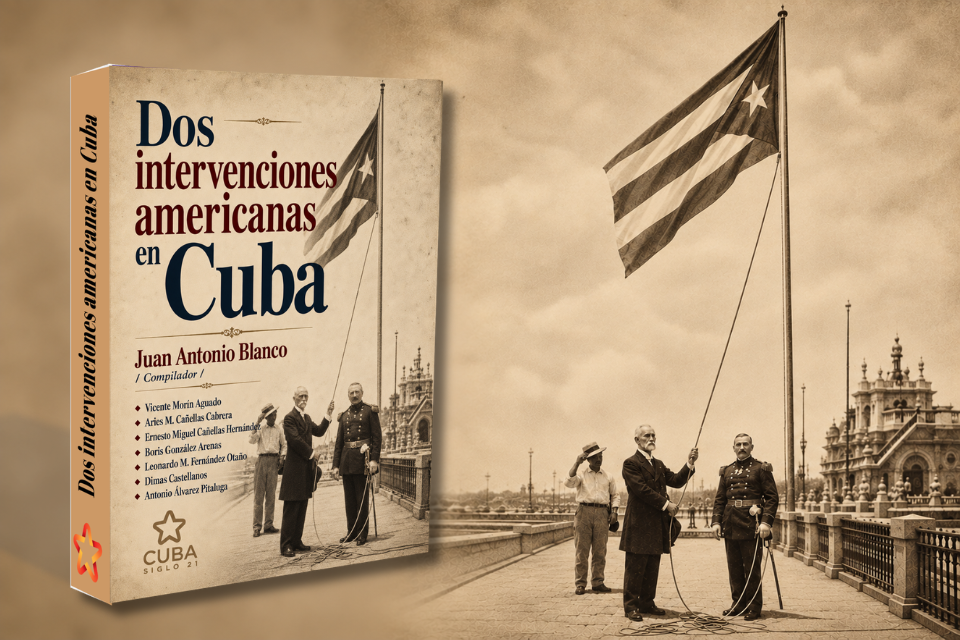
Dos intervenciones americanas en Cuba
Dos intervenciones americanas en Cuba reúne siete ensayos que revisan críticamente uno de los capítulos más controvertidos de la historia nacional: la intervención de Estados Unidos en la guerra hispano-cubana de 1898, la ocupación militar que condujo al nacimiento de la República en 1902 y la segunda intervención estadounidense, iniciada en 1906 tras la crisis política que puso en peligro el orden constitucional recién creado. El libro apunta a similitudes con la situación actual.
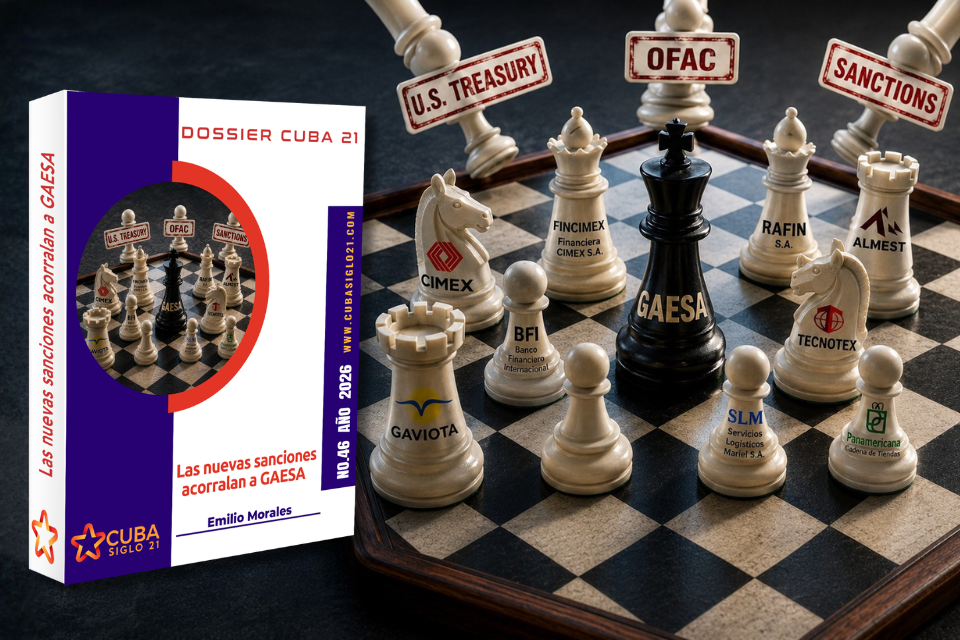
Las nuevas sanciones acorralan a GAESA
Las nuevas sanciones han debilitado significativamente la capacidad financiera y operativa de GAESA al afectar no solo al conglomerado, sino también a quienes intentan actuar como sus intermediarios; mientras la economía cubana sigue perdiendo capacidad para sostener el turismo.
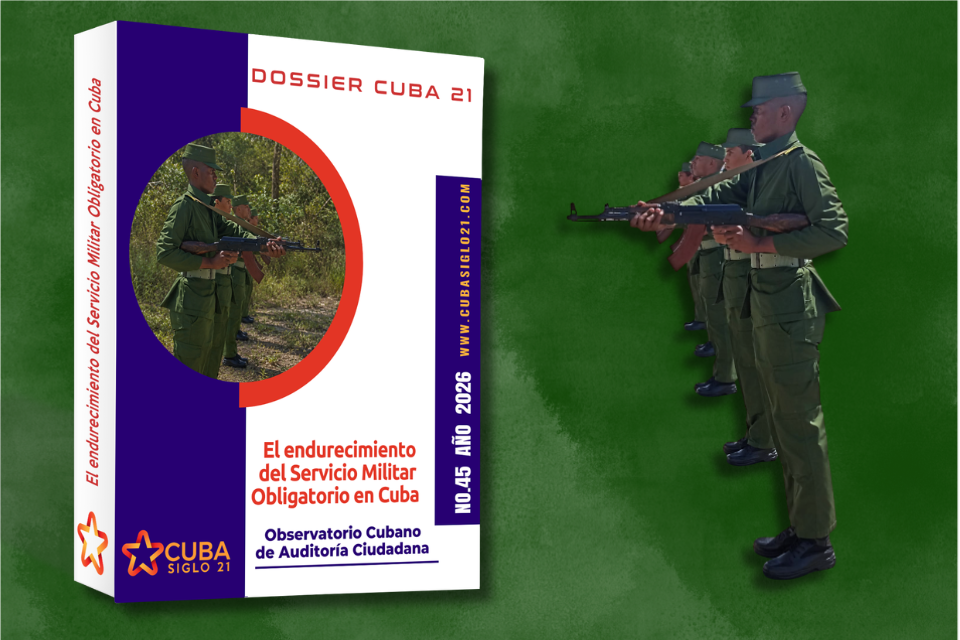
El endurecimiento del Servicio Militar Obligatorio en Cuba
Cuba ha endurecido el Servicio Militar Obligatorio (SMO) : ha reforzado su carácter coercitivo, endurecido las sanciones contra quienes intentan evitarlo y mantenido un sistema opaco que acumula denuncias por abusos, negligencias y muertes de reclutas.
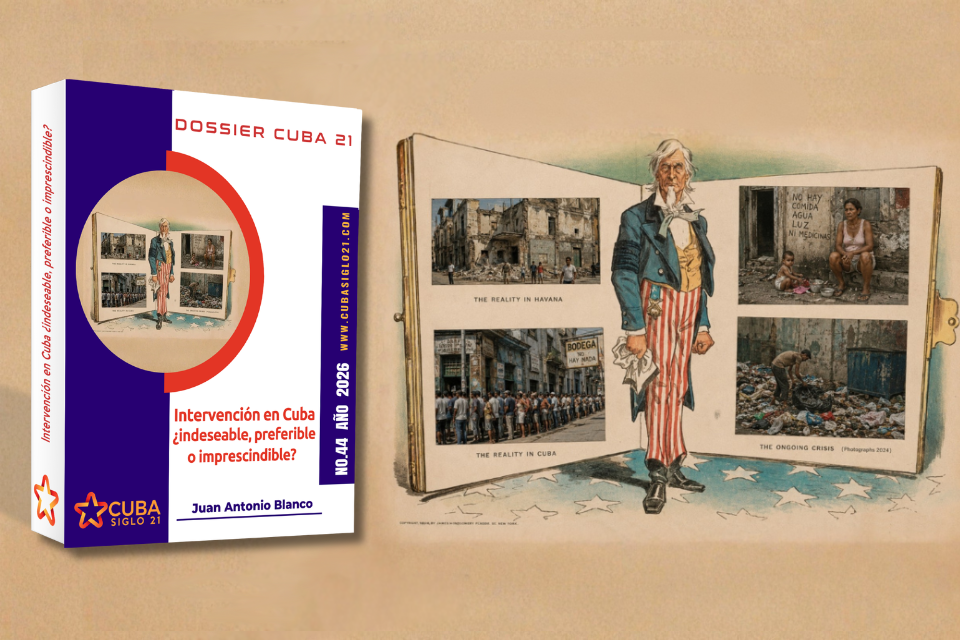
Intervención en Cuba: ¿indeseable, preferible o imprescindible?
Una solución no violenta y puramente cubana se ha vuelto imposible ante la intransigencia de la élite en el poder, convirtiendo la intervención externa en algo imprescindible para evitar la desaparición física de la nación.
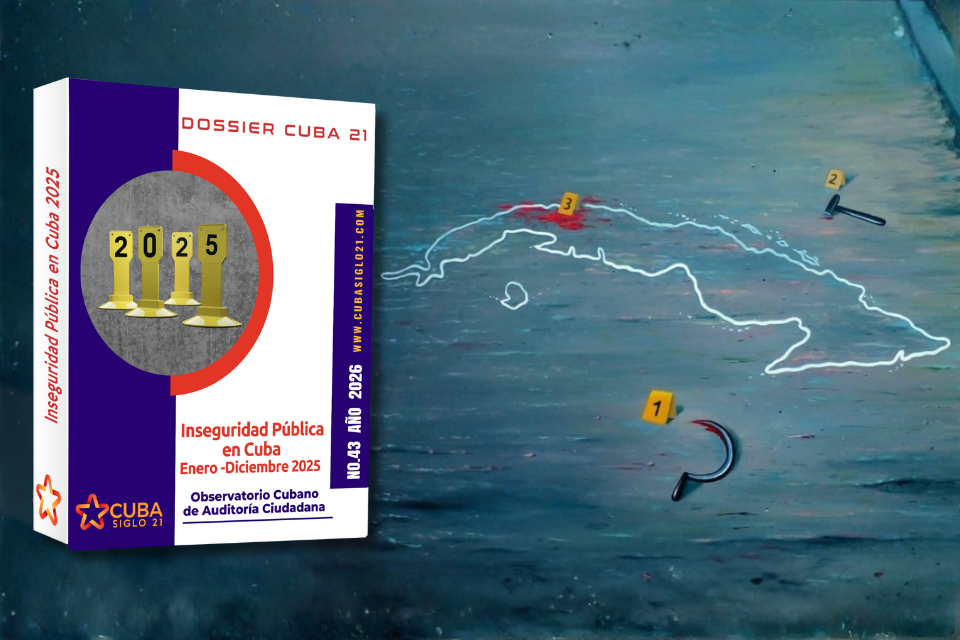
Informe de Inseguridad Pública 2025
El estudio del Observatorio Cubano de Auditoría Ciudadana (OCAC) identifica un incremento del 115,11 % de la criminalidad en 2025 respecto a 2024 y un aumento del 336,58 % en comparación con 2023.
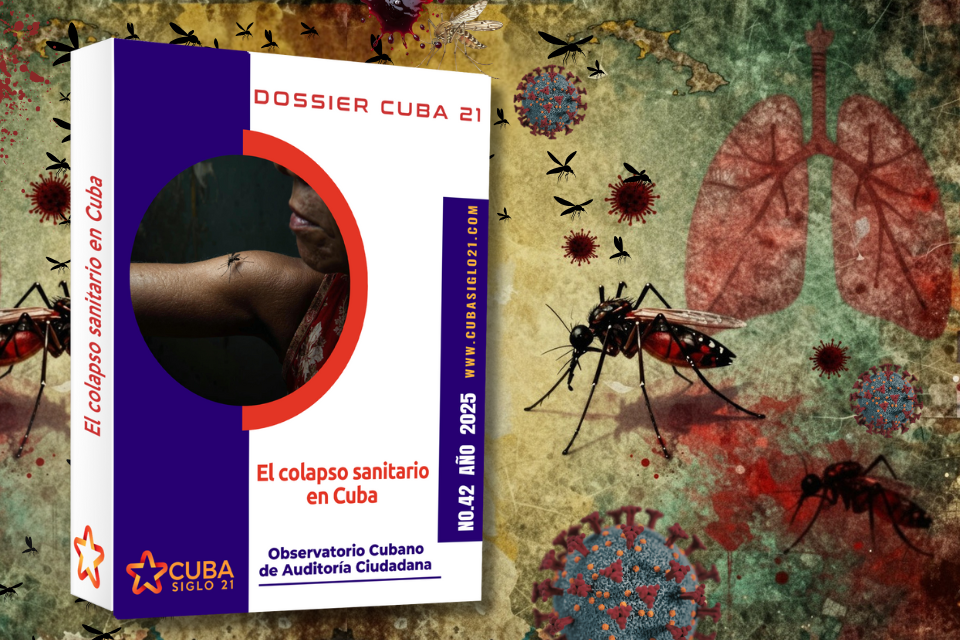
El colapso sanitario en Cuba
El gobierno cubano miente acerca de la magnitud del colapso sanitario en Cuba. La cifra de defunciones alcanzaría como mínimo 8,700 fallecidos. so muestra que el estado ha mentido nuevamente (ya lo hizo con la epidemia de Covid) al afirmar que solo han ocurrido 47 defunciones hasta mediados de diciembre. La realidad sería, como mínimo, 185 veces mayor.
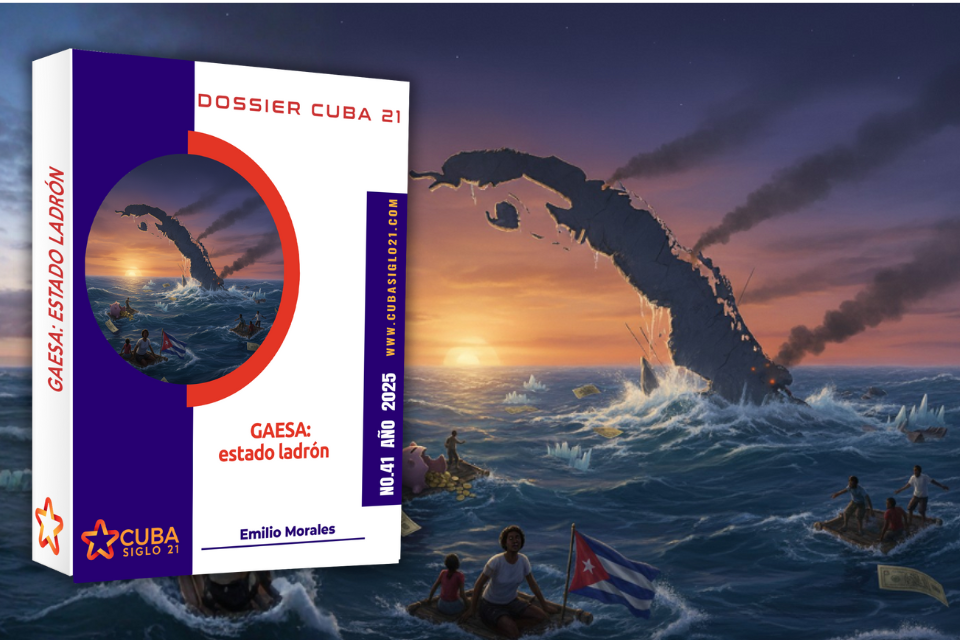
GAESA: estado ladrón
GAESA, el verdadero poder en Cuba ha llevado al país a la peor crisis financiera de su historia. Bajo la etiqueta del socialismo, una oligarquía militar controla más del 70% de la economía y el 95% de las finanzas nacionales, mientras el gobierno civil actúa como un simple títere. Miguel Díaz-Canel en la práctica no tiene control de las finanzas del país.
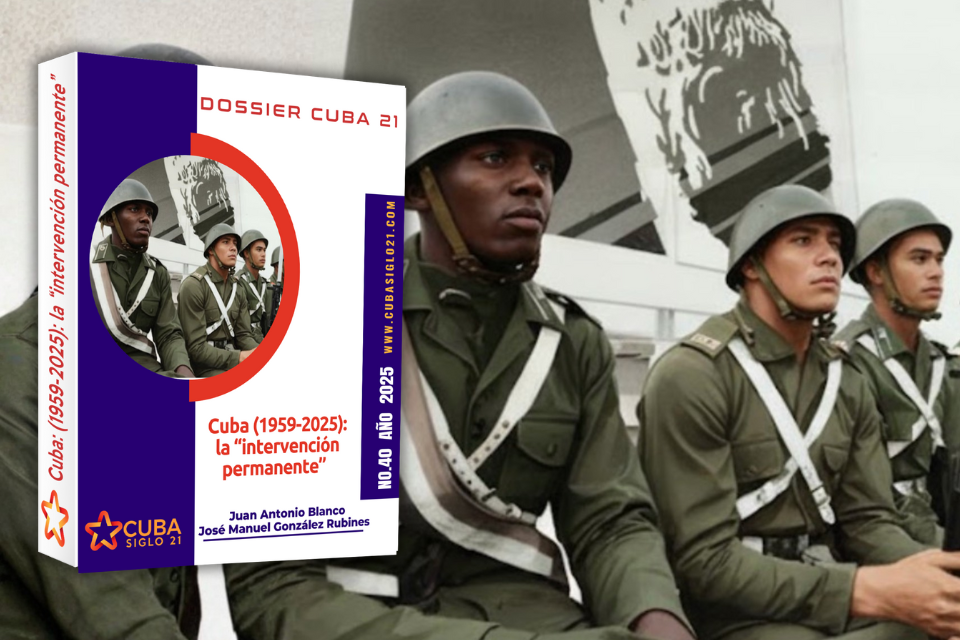
Cuba (1959-2025): la “intervención permanente”
La política intervencionista cubana no es cosa del pasado. Es una realidad activa en el presente a pesar del desastre social y económico de colosal magnitud que atraviesa Cuba en este momento.

EL ESTADO MAFIOSO CUBANO Y EL CARTEL DE LOS SOLES
El Estado cubano se ha convertido en un actor mafioso que opera en el corazón de una red criminal transnacional. El Cartel de los Soles nació y creció bajo esa asesoría cubana. El aporte de Cuba al crimen organizado regional ha sido su asesoría estratégica, militar e ideológica en la creación y consolidación del Cartel de los Soles, organización narcotraficante surgida en Venezuela
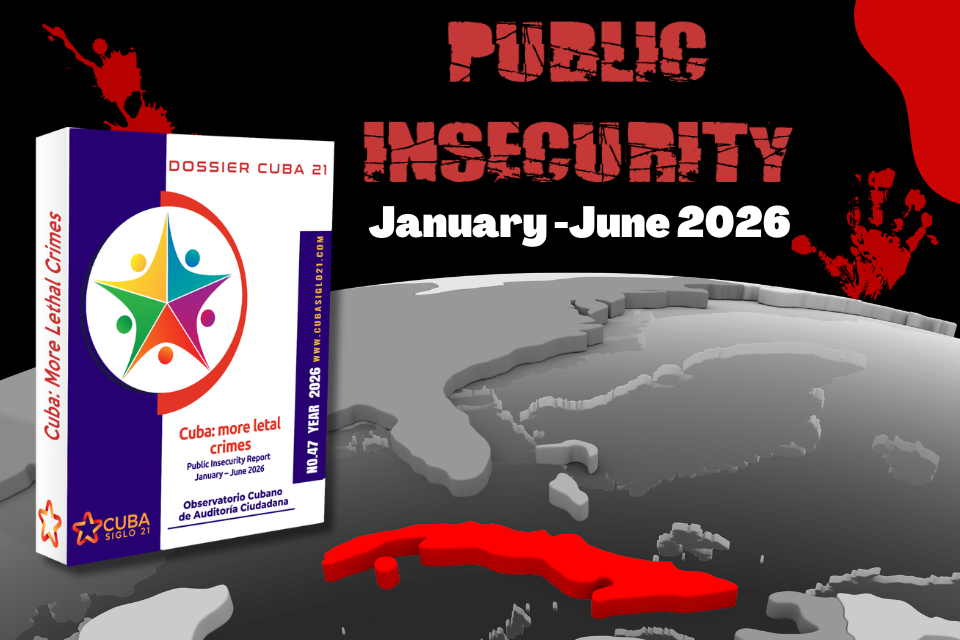
Cuba: More Lethal Crime. Insecurity Public Report. January -June 2026
In 2026, a different trend emerges: there are fewer, visibly under reported, crimes, in the current challenging circumstances, but those that are documented are considerably more lethal. The most alarming indicator is the trend in homicides. During the first six months of 2025, 63 homicides were documented. In the same period of 2026, there were 90, an increase of 42.9%.
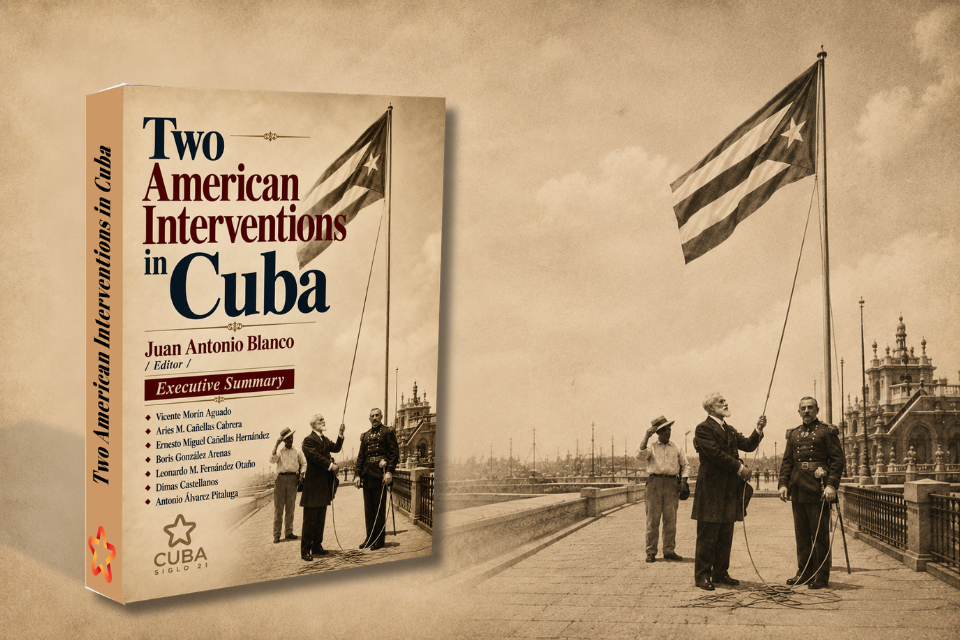
Two American Interventions in Cuba
Two American Interventions in Cuba brings together seven essays that critically examine one of the most controversial chapters in national history: the United States’ intervention in the Spanish Cuban War of 1898, the military occupation that led to the birth of the Republic in 1902, and the second U.S. intervention, which began in 1906 following the political crisis that threatened the newly established constitutional order. The book’s purpose is not to replace one dogmatic interpretation of history with another.
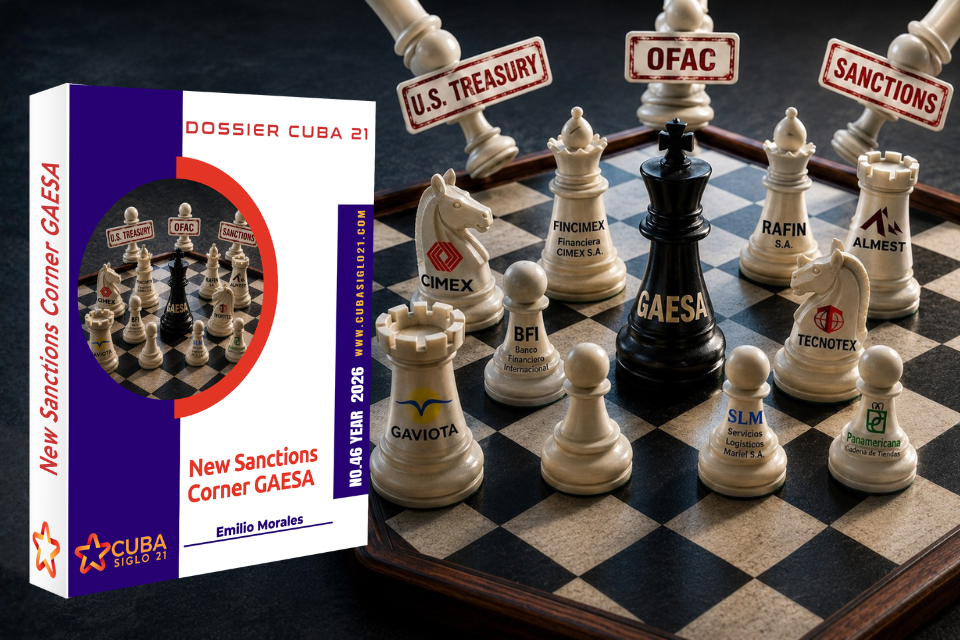
New Sanctions Corner GAESA
The new Treasury Department sanctions have significantly weakened GAESA’s financial and operational capacity by affecting not only the conglomerate itself but also those who attempt to act as its intermediaries; while the Cuban economy itself continues to lose its ability to sustain the tourism sector.
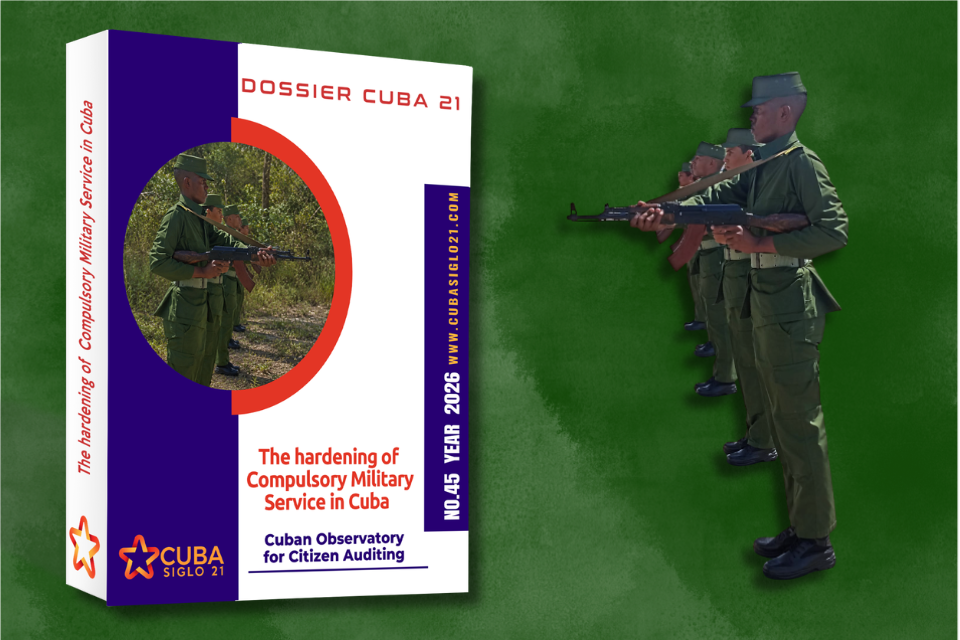
The Hardening of Compulsory Military Service in Cuba
Cuba has hardened the Compulsory Military Service: it has reinforced the system’s coercive nature, tightened penalties against those who attempt to avoid it, and maintained an opaque system that has been the subject of numerous allegations of abuse, negligence, and the deaths of conscripts.
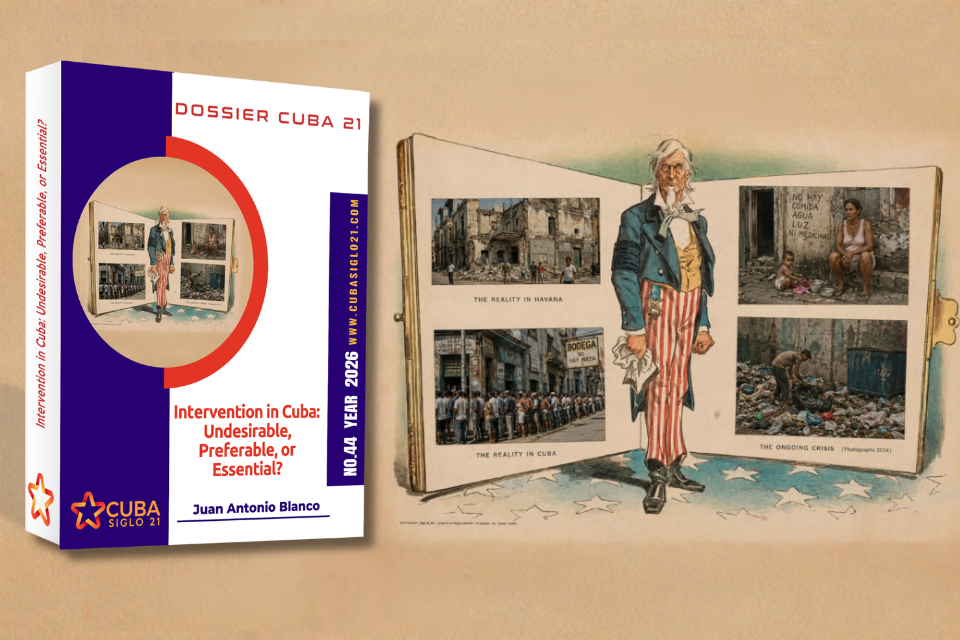
Intervention in Cuba: Undesirable, Preferable, or Essential?
A nonviolent and purely Cuban solution has become impossible in the face of the ruling elite’s intransigence, In that context, making external intervention essential to prevent the nation’s physical demise.
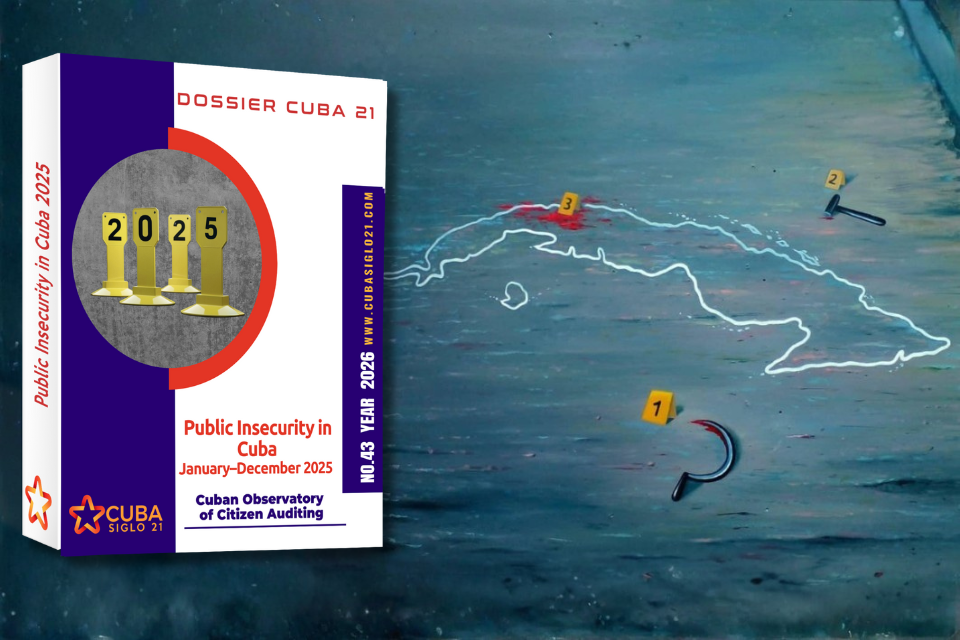
Public Insecurity in Cuba 2025
The study by the Cuban Observatory of Citizen Auditing (OCAC) identifies a 115.11% increase in criminal activity in 2025 compared to 2024, and a 336.58% increase compared to 2023
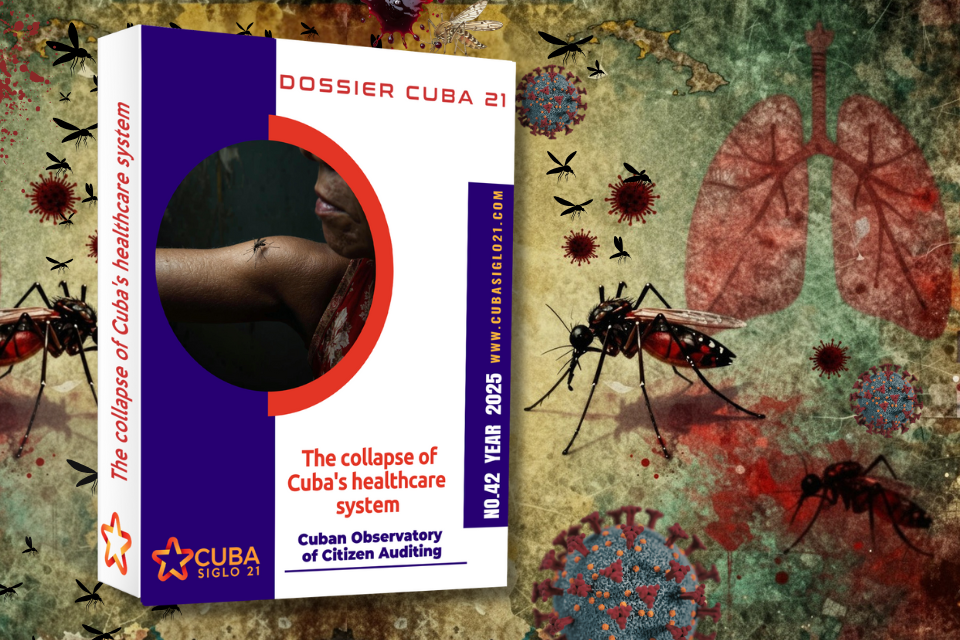
The collapse of Cuba’s healthcare system
The Cuban government is lying about the extent of the healthcare collapse in Cuba. The death toll would reach at least 8,700 fatalities. This shows that the state has lied again (as it did with the Covid epidemic) by claiming that only 47 deaths had occurred by mid-December. The reality is, at a minimum, 185 times greater.
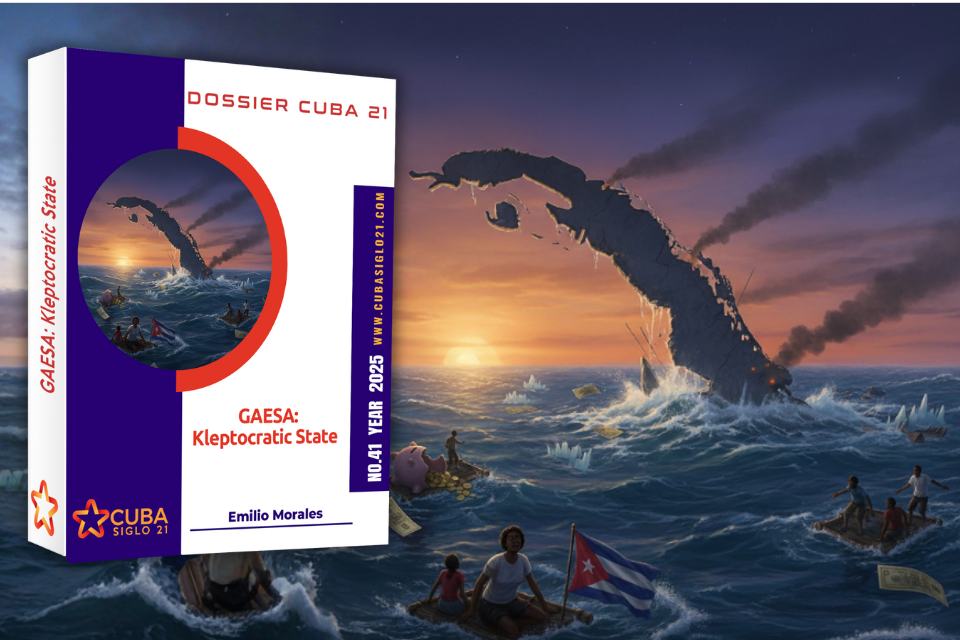
GAESA: Kleptocratic State
GAESA—the real power in Cuba—has driven the country into the worst financial crisis in its history. Behind the façade of socialism, a military oligarchy controls more than 70% of the economy and 95% of the nation’s financial system, while the civilian government operates as little more than a puppet. Miguel Díaz-Canel has no control over the country’s finances.
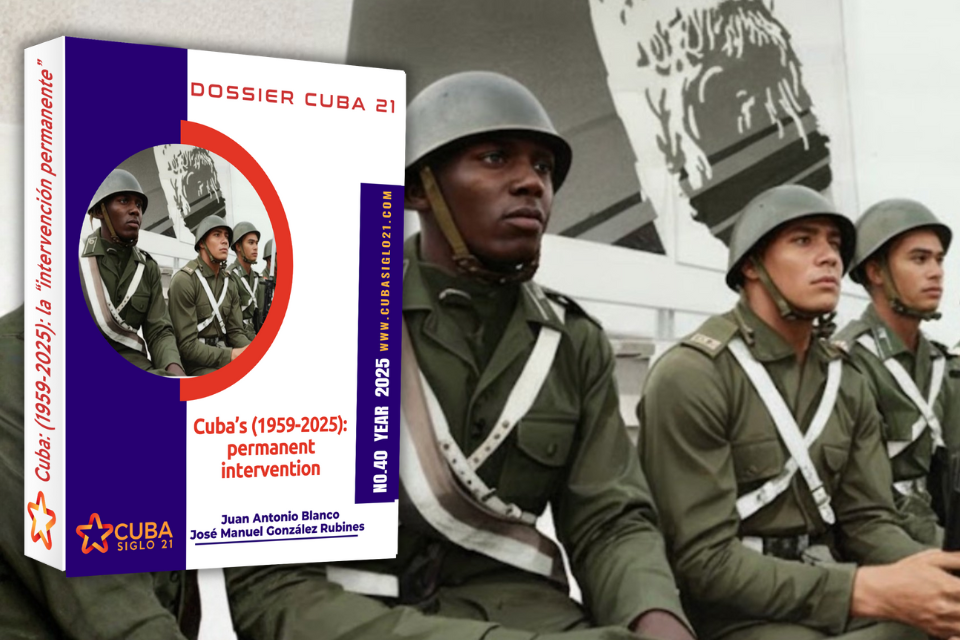
Cuba’s (1959-2025) permanent intervention
Cuba’s interventionist policy is not a thing of the past. It is an active reality in the present, despite the colossal social and economic disaster that Cuba is currently experiencing.

THE CUBAN MAFIA STATE AND THE CARTEL OF THE SUNS
The Cuban state has become a mafia-like actor operating at the heart of a transnational criminal network. The Cartel de los Soles was born and grew under this Cuban guidance. Cuba’s contribution to regional organized crime has been its strategic, military, and ideological advice in the creation and consolidation of the Cartel of the Suns, a drug trafficking organization that emerged in Venezuela.

